
Nebraska CWD Testing and Deer Carcass Rules
Testing is voluntary in Nebraska and paid for by the state only in the surveillance units chosen each year, the state publishes no carcass import rule, and a harvest must be registered before the carcass leaves Nebraska.
Is CWD testing required in Nebraska
Nebraska has found the disease in wild deer, and Nebraska Game and Parks Commission sets no requirement to submit a sample. A test is offered on any deer a hunter brings in.
- How to submit
- Nebraska Game and Parks Commission names mail-in kit, local check station, local veterinarian and Nebraska Veterinary Diagnostic Center.
- What it costs
- Nebraska Game and Parks Commission waives the fee in some places and not others: free in the designated surveillance units, at the hunter's expense anywhere else.
- How long results take
- Game and Parks says a result from its own surveillance program may take three to six weeks.
Submissions are voluntary from hunters, and Nebraska Game and Parks staff will collect and pay for testing of samples collected from deer harvested within the designated surveillance DMUs each year.Chronic Wasting Disease, Nebraska Game and Parks Commission, read September 23, 2026. Read it at the source
What may be carried across the Nebraska line
This is the rule a hunter is most likely to miss, because it is written by the state being entered rather than the state the animal was taken in. Reading the regulations of the state hunted in cover to cover does not surface it. Nationally, 42 of the 50 states restrict what crosses and 27 refuse an intact carcass from anywhere at all.
Nebraska publishes no rule of its own on carcasses arriving from another state, which leaves the rules of the state the animal was taken in as the ones that apply.
Nebraska publishes no restriction on bringing a deer, elk or antelope carcass into the state from somewhere else.
The Nebraska agency’s own words on the meat
Nebraska Game and Parks Commission publishes this:
The Centers for Disease Control and World Health Organization recommend avoiding consumption of meat from deer and elk that look sick or that test positive for CWD.Chronic Wasting Disease, Nebraska Game and Parks Commission, read September 23, 2026. Read it at the source
That sentence is reproduced whole and unedited because it is the agency’s statement rather than a summary of one, and 30 of the 50 states here publish one of their own. The wording differs between states.
CWD in Nebraska: status, zones and baiting
Nebraska Game and Parks Commission has confirmed the disease in Nebraska's wild deer. The first confirmed case dates to 2000. Game and Parks says it has now found CWD in free ranging deer and elk in 68 counties..
- First confirmed case
- 2000
- Baiting and feeding
- No baiting or feeding ban published
- Carcass waste
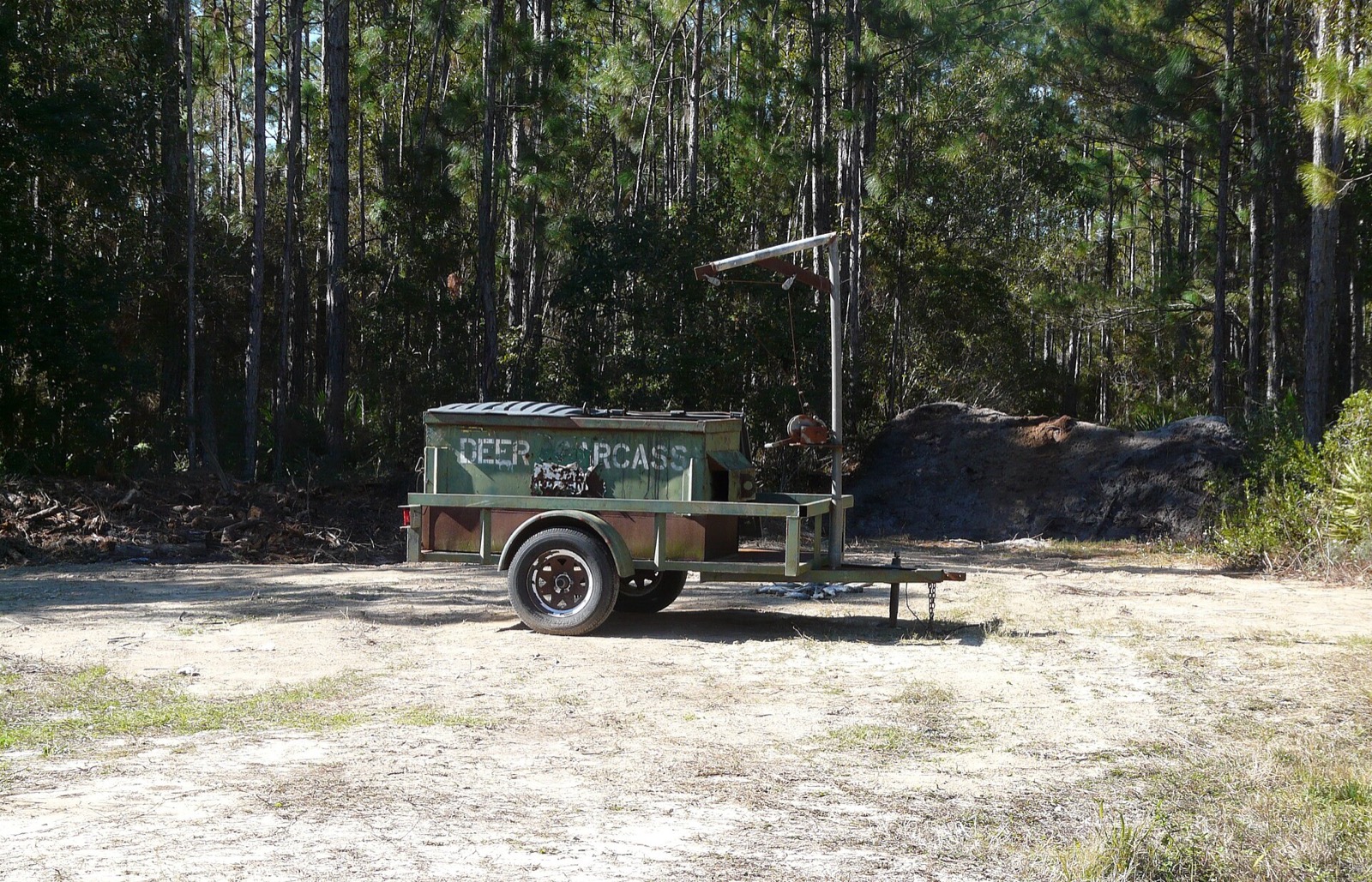
- Game and Parks asks hunters to field dress at the kill site and put the head, spinal column and other carcass parts, double bagged, into a licensed landfill.
CWD was first discovered in Colorado in 1967 and in Nebraska in 2000 in Kimball County.Chronic Wasting Disease, Nebraska Game and Parks Commission, read September 23, 2026. Read it at the source
Nebraska draws no management or surveillance zone, which means its rules apply the same way in every county. Several states added a first zone within a season of a first detection, so a zone boundary is the part of a state's rules most likely to change.
Nebraska CWD questions
CWD rules in other states
Nebraska read September 23, 2026 from Chronic Wasting Disease, Nebraska Game and Parks Commission, linked above. Carcass rules, zone boundaries and sampling requirements change between one season’s regulations and the next, and a state can add a rule mid season after a new detection, so the Game and Parks document linked above is the one that governs. Every state is on the CWD testing hub.