
Montana CWD Testing and Deer Carcass Rules
Testing is free and voluntary almost everywhere in Montana, required only on the Libby area CWD licences, and a whole carcass from any state or province where CWD has been found may not be driven into Montana at all.
Is CWD testing required in Montana
Montana Fish, Wildlife & Parks requires a sample from deer taken in the areas it names, and a test is available on a deer taken anywhere else in Montana.
- Where the requirement bites
- Required only of hunters using the licences tied to CWD management near Libby, and voluntary everywhere else in the state.
- How to submit
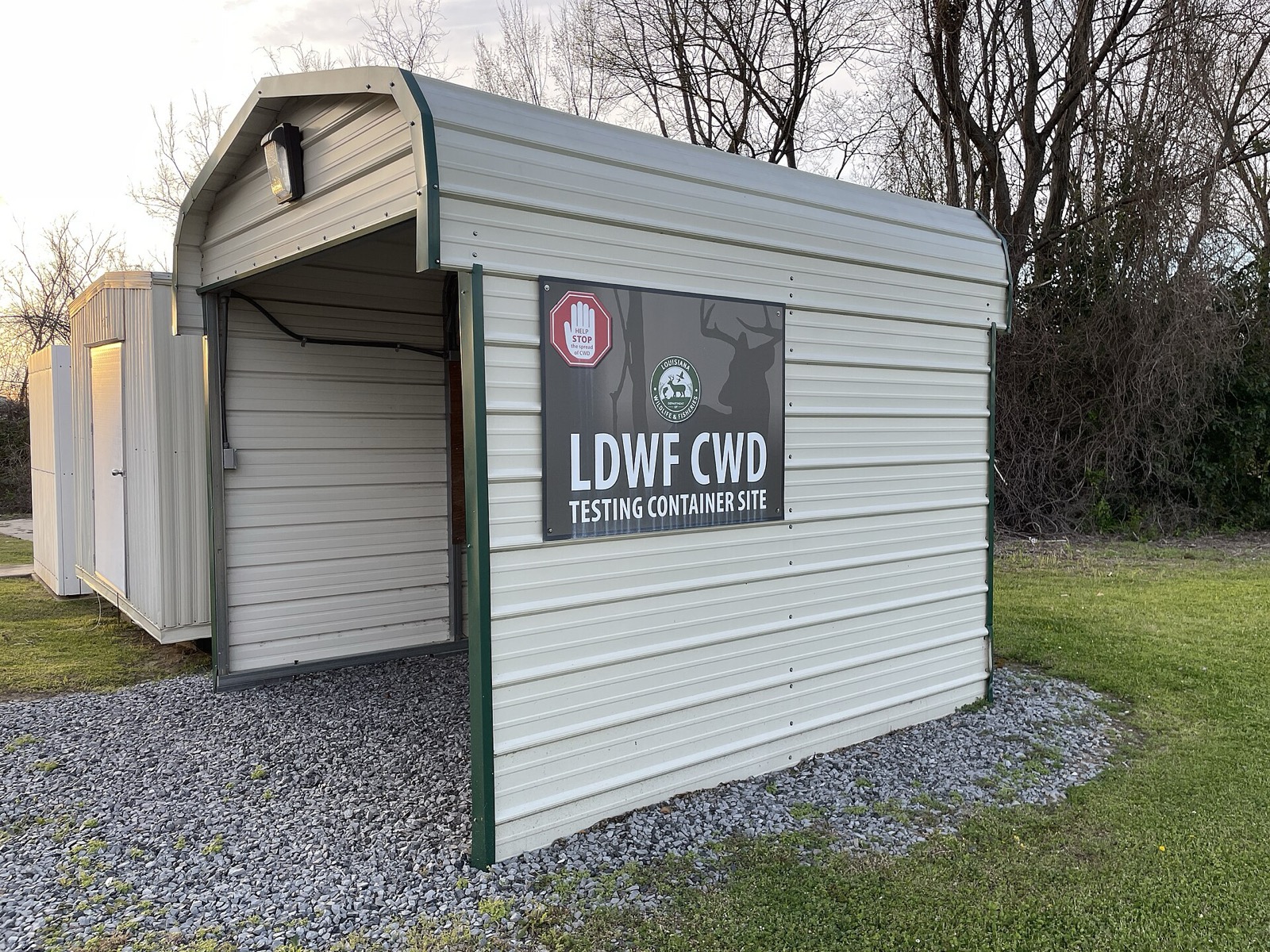
- Montana Fish, Wildlife & Parks names CWD Sampling Station, FWP regional office and collect the samples yourself and mail them to the Wildlife Health Program in Bozeman.
- What it costs
- Montana Fish, Wildlife & Parks puts the test at no charge to the hunter.
- How long results take
- The agency says results are posted online and emailed within two weeks, and that moose samples can take three to four.
- The zone it draws
- CWD Management Zone
There are mandatory testing requirements for licenses associated with CWD management near Libby. Testing is required for all animals harvested using the Deer B License 199-20 in hunting districts (HDs) 100, 103, and 104, or Deer Permit 103-50 in HD 103.Get Your Animal Sampled, Montana Fish, Wildlife & Parks, read September 23, 2026. Read it at the source
What may be carried across the Montana line
This is the rule a hunter is most likely to miss, because it is written by the state being entered rather than the state the animal was taken in. Reading the regulations of the state hunted in cover to cover does not surface it. Nationally, 42 of the 50 states restrict what crosses and 27 refuse an intact carcass from anywhere at all.
An intact carcass may not be carried into Montana from a state or province where the disease has been found. An animal from anywhere else falls outside the rule.
A whole deer, elk or moose carcass may not be brought into Montana from any state or Canadian province where CWD has been found, and from those places only the listed parts may cross the line.
What FWP admits, in its own categories:
- meat that is boned, cut, and wrapped; quarters or other portions of meat with no part of the spinal column or head attached
- hides with no heads attached
- clean (no meat or tissue attached) skull plates with antlers attached
- antlers with no meat or tissue attached
- skulls that have been boiled and cleaned to remove all flesh and tissue
- upper canine teeth, also known as "buglers," "whistlers," or "ivories"
- finished head, partial body, or whole-body mounts already prepared by a taxidermist
It is illegal to bring into Montana the whole carcass of any deer, elk, or moose from the states and Canadian provinces where CWD has been detected.CWD Management, Montana Fish, Wildlife & Parks, read September 23, 2026. Read it at the source
The Montana agency’s own words on the meat
Montana Fish, Wildlife & Parks publishes this:
However, the Centers for Disease Control and Prevention (CDC) recommends that hunters harvesting a deer, elk, or moose from an area where CWD is known to be present have their animal tested for CWD prior to consuming the meat and do not consume the meat if the animal tests positive.Get Your Animal Sampled, Montana Fish, Wildlife & Parks, read September 23, 2026. Read it at the source
That sentence is reproduced whole and unedited because it is the agency’s statement rather than a summary of one, and 30 of the 50 states here publish one of their own. The wording differs between states.
CWD in Montana: status, zones and baiting
Montana Fish, Wildlife & Parks has confirmed the disease in Montana's wild deer. The first confirmed case dates to 2017. The agency talks about where CWD is in hunting districts rather than counties, naming CWD positive hunting districts, Priority Sampling Areas across northwestern and central Montana, and the Libby CWD Management Zone..
- First confirmed case
- 2017
- Baiting and feeding
- Baiting and feeding banned statewide
- Moving an animal out of a zone
- A carcass may be moved anywhere inside Montana no matter where it was taken, as long as the leftover parts go into a Class II landfill after butchering.
- Carcass waste
- Leftover parts are left at the kill site where possible, and brain and spinal tissue from an animal hauled out for processing must be bagged and put in a Class II landfill.
CWD was found among wild deer in Montana in 2017.CWD Management, Montana Fish, Wildlife & Parks, read September 23, 2026. Read it at the source
Zone boundaries are redrawn between seasons more often than any other rule here, usually after a new detection near an existing line. The map linked above is FWP's own and is the one that governs.
Montana CWD questions
CWD rules in other states
Montana read September 23, 2026 from CWD Management, Montana Fish, Wildlife & Parks, linked above. Carcass rules, zone boundaries and sampling requirements change between one season’s regulations and the next, and a state can add a rule mid season after a new detection, so the FWP document linked above is the one that governs. Every state is on the CWD testing hub.