
Missouri CWD Testing and Deer Carcass Rules
A hunter who kills a deer in one of Missouri's 28 designated counties on Nov. 14 or 15 must bring it or its head to a sampling station that same day, testing is free and voluntary everywhere else from Sept. 15 to Jan. 15, and no whole carcass from any other state may be brought into Missouri.
Is CWD testing required in Missouri
Missouri Department of Conservation requires a sample from deer taken in the areas it names, and a test is available on a deer taken anywhere else in Missouri.
- Where the requirement bites
- In the 28 counties MDC designates for 2026, any deer killed on Nov. 14 or 15, the opening weekend of the November firearms portion, must be taken to a mandatory sampling station the same day.
- How to submit
- Missouri Department of Conservation names mandatory sampling station, voluntary sampling location, select MDC offices, non-MDC sampling partners, taxidermists and meat processors and freezer drop-off location.
- What it costs
- Missouri Department of Conservation puts the test at no charge to the hunter.
If you harvest a deer from designated counties (see map below) during opening weekend of firearms season (Nov. 14 and 15) , you must take your deer — or just the head — on the day of harvest to one of the following CWD sampling stations listed below.Mandatory CWD Sampling, Missouri Department of Conservation, read September 23, 2026. Read it at the source
What may be carried across the Missouri line
This is the rule a hunter is most likely to miss, because it is written by the state being entered rather than the state the animal was taken in. Reading the regulations of the state hunted in cover to cover does not surface it. Nationally, 42 of the 50 states restrict what crosses and 27 refuse an intact carcass from anywhere at all.
An intact carcass may not be carried into Missouri from any other state. The parts MDC does admit are listed below.
No whole cervid carcass may be brought into Missouri; only the six listed parts may cross the line freely, and a head with the cape and up to six inches of neck may come in only if it reaches a licensed taxidermist within 48 hours.
What MDC admits, in its own categories:
- meat that is cut and wrapped or that has been boned out
- quarters or other portions of meat with no part of the spinal column or head attached
- hides from which all excess tissue has been removed
- antlers or antlers attached to skull plates or skulls cleaned of all muscle and brain tissue
- upper canine teeth
- finished taxidermy products
Hunters may not transport whole cervid carcasses into the state.Carcass Transportation and Disposal, Missouri Department of Conservation, read September 23, 2026. Read it at the source
The Missouri agency’s own words on the meat
Missouri Department of Conservation publishes this:
However, the CDC recommends that hunters test deer for CWD if hunting in an area where the disease has been found and avoid consuming meat from any deer that appears sick or tests positive for CWD.Mandatory CWD Sampling, Missouri Department of Conservation, read September 23, 2026. Read it at the source
That sentence is reproduced whole and unedited because it is the agency’s statement rather than a summary of one, and 30 of the 50 states here publish one of their own. The wording differs between states.
CWD in Missouri: status, zones and baiting
Missouri Department of Conservation has confirmed the disease in Missouri's wild deer. The first confirmed case dates to 2012. MDC's own summary of what changed for 2026 says most Missouri counties either have had a case or lie within 10 miles of a confirmed case, which is why it retired the CWD Management Zone..
- First confirmed case
- 2012
- Baiting and feeding
- Banned inside the zones
- Moving an animal out of a zone
- MDC removed the CWD Management Zone for 2026, so no zone boundary now limits where a deer may be moved; the movement rule that remains is the statewide one, that a deer must be Telechecked before it leaves the county where it was killed or by 10 p.m. on the day of harvest, whichever comes first.
- Carcass waste
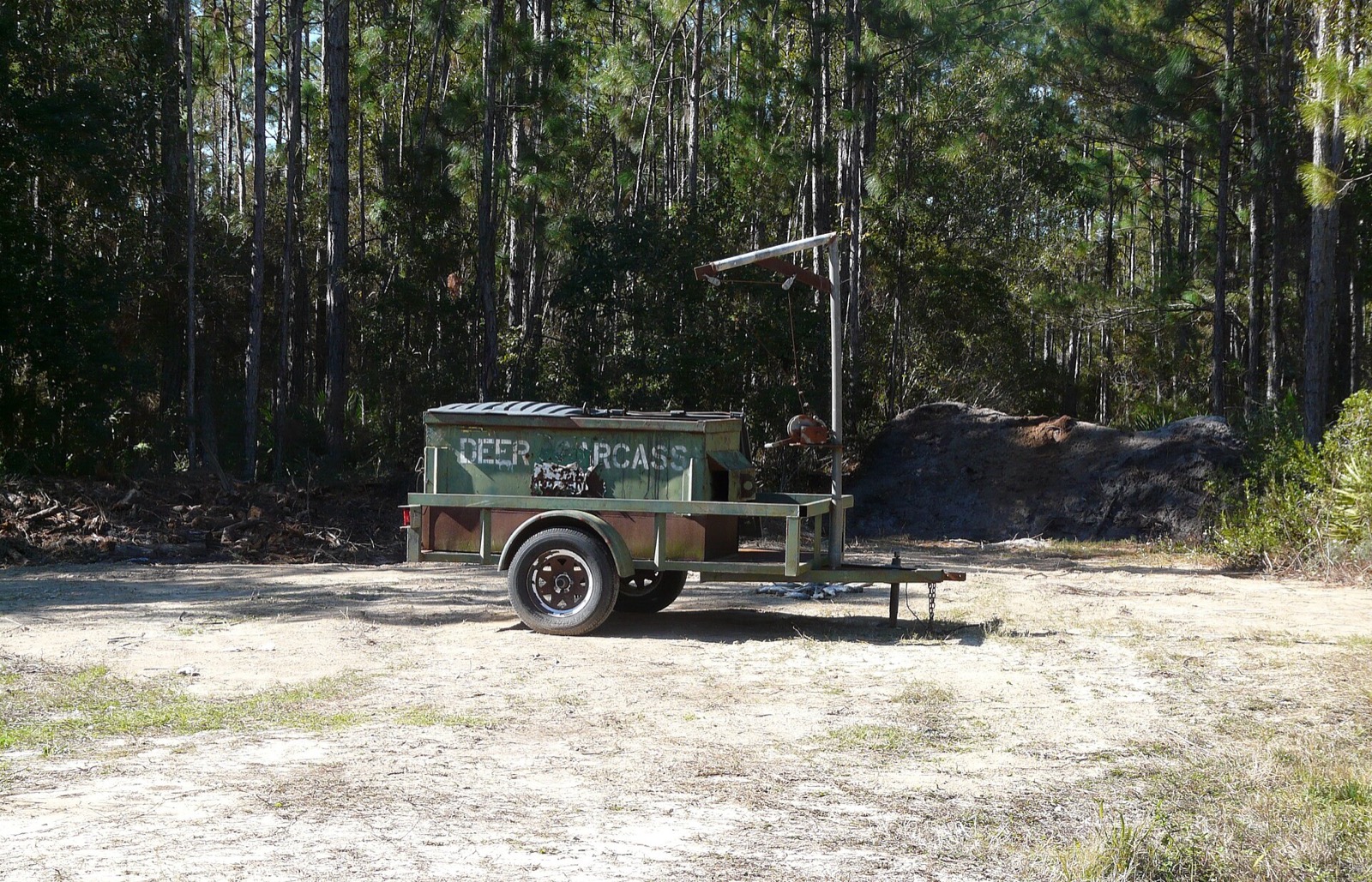
- Carcass parts a hunter does not keep or hand to a taxidermist, processor or tanner go in the trash bound for a sanitary landfill, or stay on the property where the deer was killed.
CWD confirmed in two free-ranging bucks in Macon County.Chronic Wasting Disease, Missouri Department of Conservation, read September 23, 2026. Read it at the source
Missouri draws no management or surveillance zone, which means its rules apply the same way in every county. Several states added a first zone within a season of a first detection, so a zone boundary is the part of a state's rules most likely to change.
Missouri CWD questions
CWD rules in other states
Missouri read September 23, 2026 from Chronic Wasting Disease, Missouri Department of Conservation, linked above. Carcass rules, zone boundaries and sampling requirements change between one season’s regulations and the next, and a state can add a rule mid season after a new detection, so the MDC document linked above is the one that governs. Every state is on the CWD testing hub.