
Utah CWD Testing and Deer Carcass Rules
Three Utah buck deer hunts require a CWD sample and 18 more units get free check station testing this fall, anyone else pays $30 at the state lab, and no whole deer, elk or moose may be driven in from any of the 28 states and provinces where the disease has been found.
Is CWD testing required in Utah
Utah Division of Wildlife Resources requires a sample from deer taken in the areas it names, and a test is available on a deer taken anywhere else in Utah.
- Where the requirement bites
- A hunter who kills a buck deer on the Castle Valley or Moab Valley limited entry any legal weapon hunts, or on the Ogden general season any legal weapon hunt, has to turn in a CWD sample; the kit and instructions arrive in the mail in September.
- How to submit
- Utah Division of Wildlife Resources names division check station, DWR office by appointment, mailed sample kit and Utah Veterinary Diagnostic Lab.
- What it costs
- Utah Division of Wildlife Resources waives the fee in some places and not others: free on the 2026 sampling units, $30 anywhere else.
- How long results take
- four to six weeks
Hunters who harvest a buck deer during the following hunts are required to submit a CWD sample:Chronic wasting disease, Utah Division of Wildlife Resources, read September 23, 2026. Read it at the source
What may be carried across the Utah line
This is the rule a hunter is most likely to miss, because it is written by the state being entered rather than the state the animal was taken in. Reading the regulations of the state hunted in cover to cover does not surface it. Nationally, 42 of the 50 states restrict what crosses and 27 refuse an intact carcass from anywhere at all.
An intact carcass may not be carried into Utah from a state or province where the disease has been found. An animal from anywhere else falls outside the rule.
A whole carcass may not come into Utah from any of the 28 states and provinces where CWD has been found, only the eight listed parts; a nonresident may drive one through if the stop is under 24 hours, nothing is left behind and nothing is processed in Utah.
What DWR admits, in its own categories:
- Meat that is cut and wrapped either commercially or privately
- Quarters or other portion of meat with no part of the spinal column or head attached
- Meat that is boned out
- Hides with no heads attached
- Skulls and skull plates with antlers attached that have been cleaned of all brain matter and spinal column matter
- Antlers with no meat or tissue attached
- Upper canine teeth known as buglers, whistlers or ivories
- Finished taxidermy heads
It is unlawful to import dead mule deer, white-tailed deer, elk, moose, caribou, reindeer, or their parts, except for the carcass parts listed above, from states or provinces where CWD has been detected.Chronic wasting disease, Utah Division of Wildlife Resources, read September 23, 2026. Read it at the source
The Utah agency’s own words on the meat
Utah Division of Wildlife Resources publishes this:
Do not consume meat from animals known to be infected with CWD.Chronic wasting disease, Utah Division of Wildlife Resources, read September 23, 2026. Read it at the source
That sentence is reproduced whole and unedited because it is the agency’s statement rather than a summary of one, and 30 of the 50 states here publish one of their own. The wording differs between states.
CWD in Utah: status, zones and baiting
Utah Division of Wildlife Resources has confirmed the disease in Utah's wild deer. The first confirmed case dates to 2002. The DWR maps the disease by deer hunting unit, not county, and says it sits in areas of northern, northeastern, central and southeastern Utah; 435 mule deer and 11 elk have tested positive as of February 2026..
- First confirmed case
- 2002
- Baiting and feeding
- Baiting and feeding banned statewide
- Carcass waste
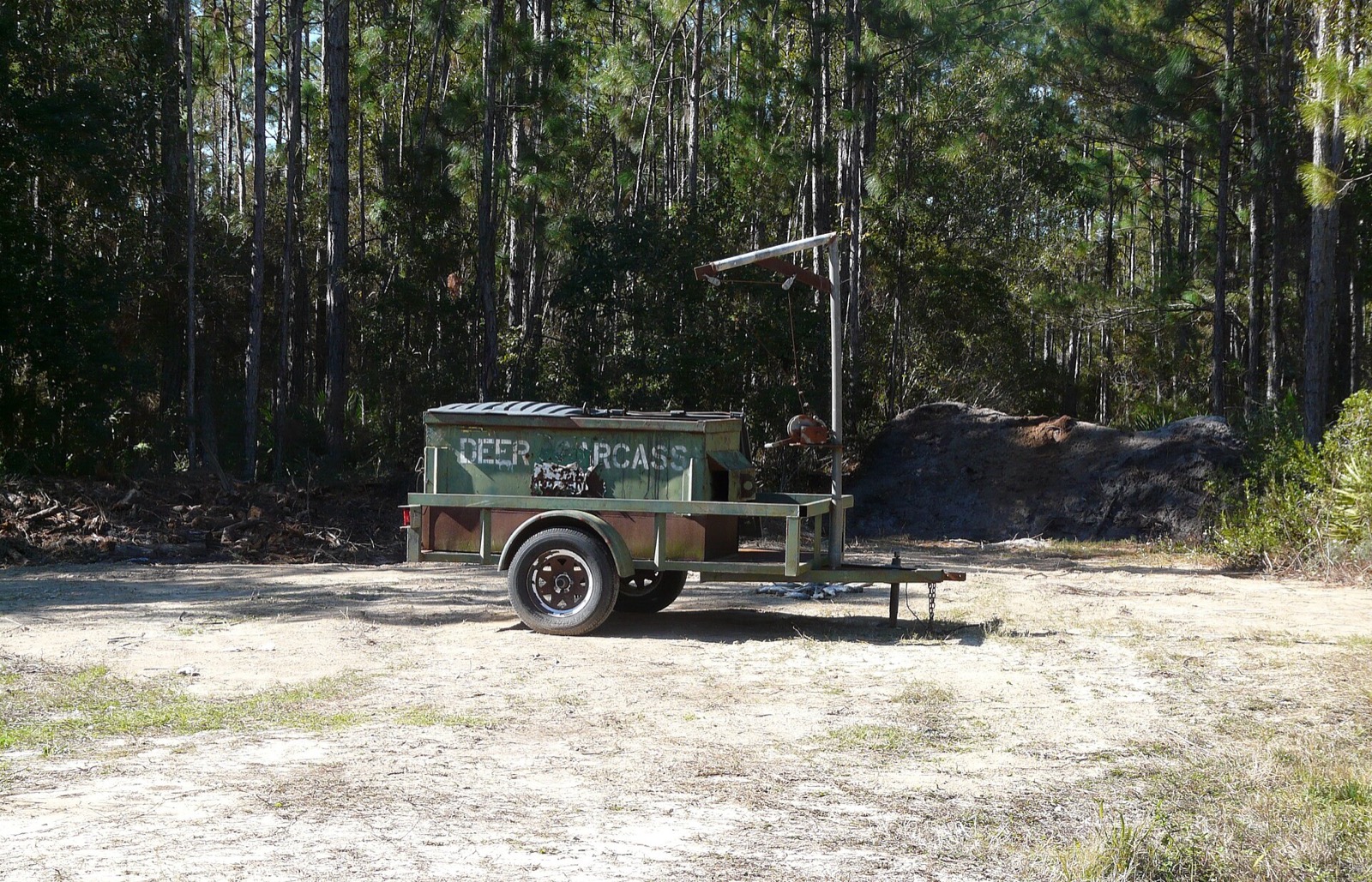
- Leave the spine and the rest of the waste where the animal fell, or double bag it for a landfill or the household trash if the animal is broken down somewhere else.
The disease was first discovered in Utah in 2002, in a buck deer taken during the rifle hunt near Vernal.Chronic wasting disease, Utah Division of Wildlife Resources, read September 23, 2026. Read it at the source
Utah draws no management or surveillance zone, which means its rules apply the same way in every county. Several states added a first zone within a season of a first detection, so a zone boundary is the part of a state's rules most likely to change.
Utah CWD questions
CWD rules in other states
Utah read September 23, 2026 from Chronic wasting disease, Utah Division of Wildlife Resources, linked above. Carcass rules, zone boundaries and sampling requirements change between one season’s regulations and the next, and a state can add a rule mid season after a new detection, so the DWR document linked above is the one that governs. Every state is on the CWD testing hub.