
North Dakota CWD Testing and Deer Carcass Rules
No North Dakota hunter is required to have a deer tested, testing is free at collection sites and by mail in kit with results in about four weeks, and nothing but nine listed lower risk portions may be brought into the state from anywhere else.
Is CWD testing required in North Dakota
North Dakota has found the disease in wild deer, and North Dakota Game and Fish Department sets no requirement to submit a sample. A test is offered on any deer a hunter brings in.
- How to submit
- North Dakota Game and Fish Department names collection site drop-off barrel or freezer, Game and Fish district office, the Wildlife Health Lab in Bismarck and mail-in CWD tissue sampling kit.
- What it costs
- North Dakota Game and Fish Department puts the test at no charge to the hunter.
- How long results take
- Game and Fish says a result takes about four weeks and arrives in the hunter's Game and Fish account inbox.
If hunting in the current year's surveillance area, please get your animal tested.About Chronic Wasting Disease, North Dakota Game and Fish, read September 23, 2026. Read it at the source
What may be carried across the North Dakota line
This is the rule a hunter is most likely to miss, because it is written by the state being entered rather than the state the animal was taken in. Reading the regulations of the state hunted in cover to cover does not surface it. Nationally, 42 of the 50 states restrict what crosses and 27 refuse an intact carcass from anywhere at all.
An intact carcass may not be carried into North Dakota from any other state. The parts Game and Fish does admit are listed below.
Nothing but the nine lower risk portions the proclamation lists may be brought into North Dakota from anywhere outside it, and a violation carries a two hundred dollar fee.
What Game and Fish admits, in its own categories:
- meat that is cut and wrapped either commercially or privately
- quarters or other portions of meat with no part of the spinal column or head attached
- meat that has been boned out
- hides with no heads attached
- skull plates with antlers attached having no brain tissue present
- intact skulls with no visible brain or spinal cord tissue present that has the eyes, lower jaw, tongue, salivary glands, tonsils, and lymph nodes removed
- antlers separated from the skull plate
- upper canine teeth, also known as “buglers”, “whistlers”, or “ivories”
- finished taxidermy heads
It shall be unlawful to transport into North Dakota the whole carcass or carcass parts of: white-tailed deer, mule deer, moose, elk, or members of the cervid family harvested outside of North Dakota except the following lower-risk portions of the carcass:2026-2027 Chronic Wasting Disease Proclamation, North Dakota Game and Fish, read September 23, 2026. Read it at the source
2026-2027 Chronic Wasting Disease Proclamation, Section 2, Carcass Transportation
CWD in North Dakota: status, zones and baiting
North Dakota Game and Fish Department has confirmed the disease in North Dakota's wild deer. Game and Fish reports positives by deer gun unit rather than by county; for the 2025 season it names units 3A1, 3D2, 3E1, 3E2, 3F1, 3F2 and 2B, with 3D2 and 2B new that year..
- Baiting and feeding
- Banned inside the zones
- Moving an animal out of a zone
- North Dakota sets no CWD management zone; instead a statewide rule keyed to deer gun units says carcass waste from a deer, moose or elk killed in North Dakota must go to a landfill or waste hauler once it leaves the gun unit it came from.
- Carcass waste
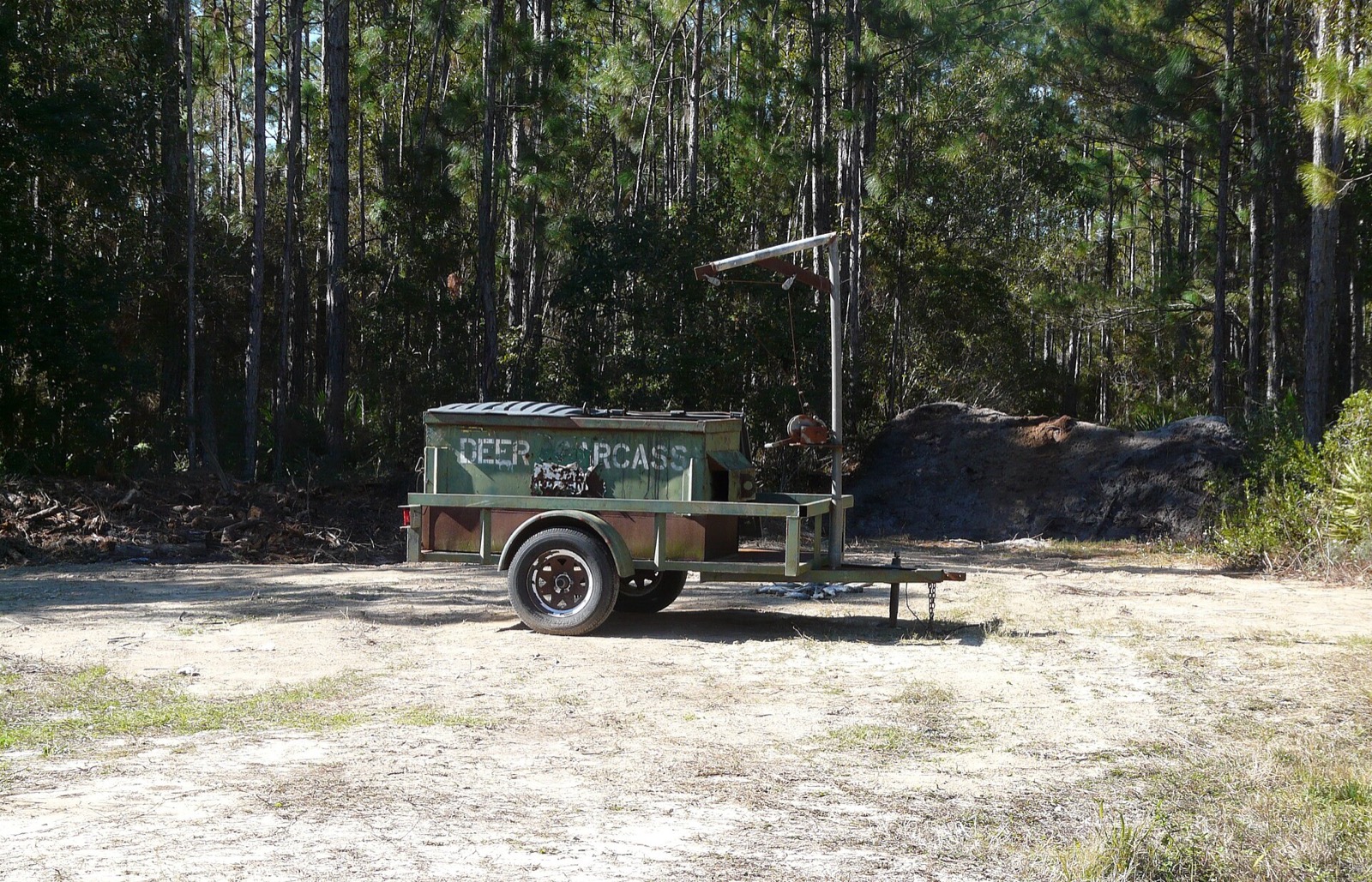
- Carcass waste is best left at the kill site or sent to a landfill, and once it leaves its gun unit of origin the landfill or a waste hauler is the only lawful destination.
The Department confirmed 16 deer tested positive for CWD, all of which were taken by hunters.CWD Testing Results, North Dakota Game and Fish, read September 23, 2026. Read it at the source
North Dakota draws no management or surveillance zone, which means its rules apply the same way in every county. Several states added a first zone within a season of a first detection, so a zone boundary is the part of a state's rules most likely to change.
North Dakota CWD questions
CWD rules in other states
North Dakota read September 23, 2026 from CWD Testing Results, North Dakota Game and Fish, linked above. Carcass rules, zone boundaries and sampling requirements change between one season’s regulations and the next, and a state can add a rule mid season after a new detection, so the Game and Fish document linked above is the one that governs. Every state is on the CWD testing hub.