
Tennessee CWD Testing and Deer Carcass Rules
Testing is voluntary everywhere in Tennessee and free drop off freezers and cooperating processors take the head, but nothing but deboned meat and clean parts may be brought in from another state or carried out of the western CWD Management Zone.
Is CWD testing required in Tennessee
Tennessee has found the disease in wild deer, and Tennessee Wildlife Resources Agency sets no requirement to submit a sample. A test is offered on any deer a hunter brings in.
- How to submit
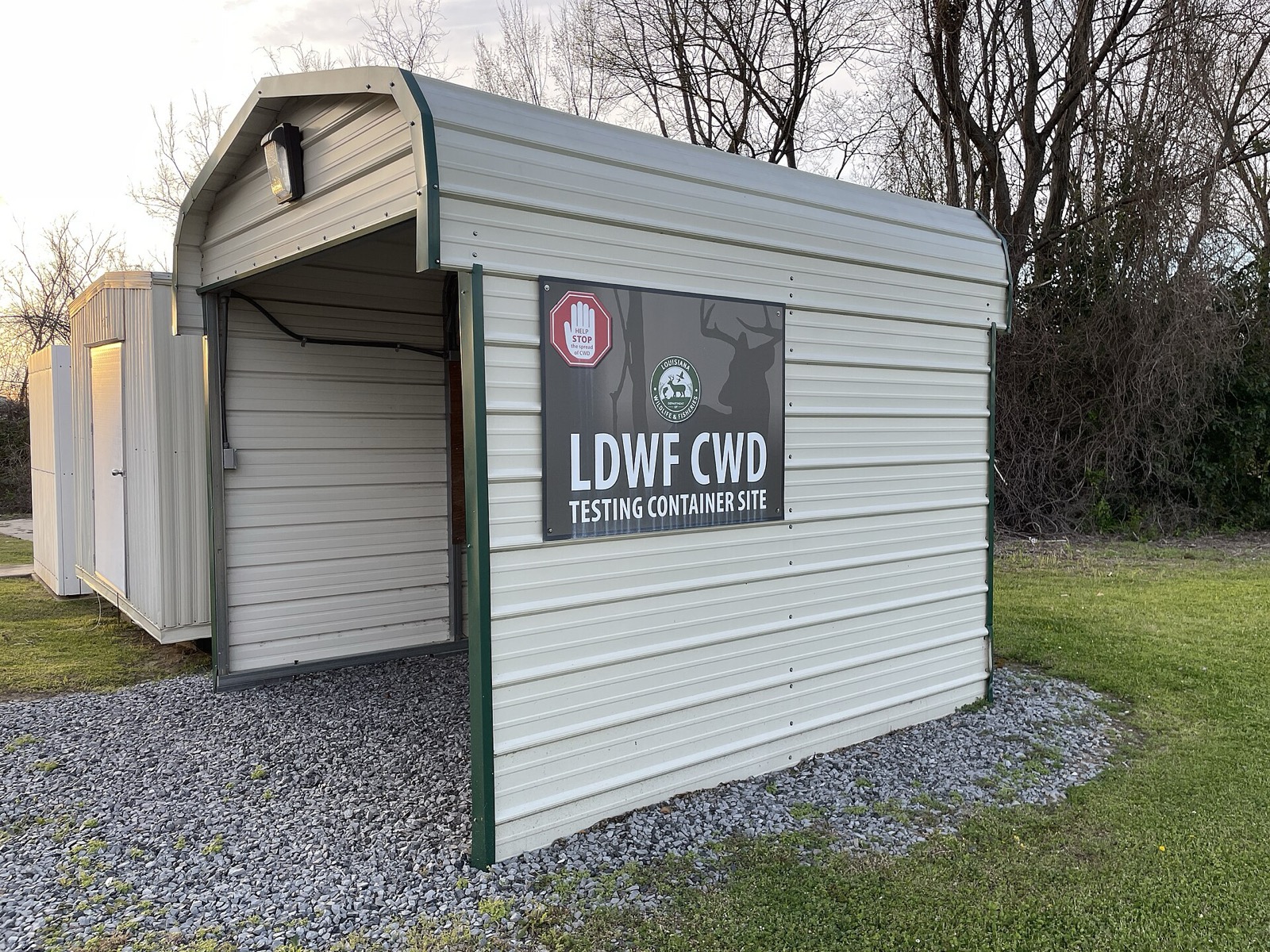
- Tennessee Wildlife Resources Agency names drop-off freezers, participating taxidermists and meat processors and sampling locations on the interactive map.
- How long results take
- The agency says results take about two weeks, sometimes three or four weeks during the holidays and the peak of the hunting season.
- The zone it draws
- CWD Management Zone
Hunter participation in CWD testing is critical for the continued surveillance and monitoring of CWD throughout the state.CWD Testing & Results, Tennessee Wildlife Resources Agency, read September 23, 2026. Read it at the source
What may be carried across the Tennessee line
This is the rule a hunter is most likely to miss, because it is written by the state being entered rather than the state the animal was taken in. Reading the regulations of the state hunted in cover to cover does not surface it. Nationally, 42 of the 50 states restrict what crosses and 27 refuse an intact carcass from anywhere at all.
An intact carcass may not be carried into Tennessee from any other state. The parts TWRA does admit are listed below.
A carcass from outside Tennessee may not be brought in at all; only deboned meat, clean skulls and skull plates with antlers, cleaned teeth, finished taxidermy and hides may cross the line.
What TWRA admits, in its own categories:
- Meat that has bones removed
- Antlers, antlers attached to cleaned skull plates, or cleaned skulls (where no meat or tissues are attached to the skull.)
- Cleaned teeth
- Finished taxidermy and antler products
- Hides (tanned or green) and tanned products
No person may import, transport, or possess in Tennessee a cervid carcass or carcass part from anywhere outside state except as provided herein: (a) Meat that has bones removed (b) Antlers, antlers attached to cleaned skull plates, or cleaned skulls (where no meat or tissues are attached to the skull.) (c) Cleaned teeth (d) Finished taxidermy and antler products (e) Hides (tanned or green) and tanned productsDeer Carcass Transport & Disposal + Baiting & Feeding, Tennessee Wildlife Resources Agency, read September 23, 2026. Read it at the source
The Tennessee agency’s own words on the meat
Tennessee Wildlife Resources Agency publishes this:
In CWD affected counties, have your animal tested and do not consume animals that test positive for CWD.CWD Testing & Results, Tennessee Wildlife Resources Agency, read September 23, 2026. Read it at the source
That sentence is reproduced whole and unedited because it is the agency’s statement rather than a summary of one, and 30 of the 50 states here publish one of their own. The wording differs between states.
CWD in Tennessee: status, zones and baiting
Tennessee Wildlife Resources Agency has confirmed the disease in Tennessee's wild deer. The first confirmed case dates to 2018. The agency says CWD has been found in wild white-tailed deer in twenty-three counties, with the heaviest concentration in the southwest corner of the state..
- First confirmed case
- 2018
- Baiting and feeding
- Banned inside the zones
- Moving an animal out of a zone
- A carcass may move freely among the counties inside the zone, but once it is in the zone only the approved parts may leave it.
- Carcass waste
- The agency recommends leaving unused parts where the deer was taken, double bagging them with household garbage, or letting a commercial processor dispose of them.
On December 14, 2018, TWRA was informed by its CWD diagnostic laboratory that 10 hunter-harvested deer taken during the opening weekend of gun season from Hardeman and Fayette Counties tested positive for CWD.CWD in Tennessee, Tennessee Wildlife Resources Agency, read September 23, 2026. Read it at the source
Zone boundaries are redrawn between seasons more often than any other rule here, usually after a new detection near an existing line. The map linked above is TWRA's own and is the one that governs.
Tennessee CWD questions
CWD rules in other states
Tennessee read September 23, 2026 from CWD in Tennessee, Tennessee Wildlife Resources Agency, linked above. Carcass rules, zone boundaries and sampling requirements change between one season’s regulations and the next, and a state can add a rule mid season after a new detection, so the TWRA document linked above is the one that governs. Every state is on the CWD testing hub.