
Massachusetts CWD Testing and Deer Carcass Rules
Massachusetts has no CWD and requires no testing, hunters can have MassWildlife biologists sample their deer at a check station though the agency will not test a deer on individual request, and a deer family animal from any state outside New England may enter only if it has been deboned, with cleaned skullcaps, headless hides and finished mounts also allowed.
Is CWD testing required in Massachusetts
Massachusetts reports no detection in wild deer, and Massachusetts Division of Fisheries and Wildlife sets no requirement to submit a sample. A test is offered on any deer a hunter brings in.
- How to submit
- Massachusetts Division of Fisheries and Wildlife names check station.
MassWildlife biologists collect lymph node samples for CWD testing from hunter-harvested deer for ongoing surveillance. At this time, MassWildlife cannot accept individual testing requests.Chronic Wasting Disease (CWD), Massachusetts Division of Fisheries and Wildlife, read September 23, 2026. Read it at the source
What may be carried across the Massachusetts line
This is the rule a hunter is most likely to miss, because it is written by the state being entered rather than the state the animal was taken in. Reading the regulations of the state hunted in cover to cover does not surface it. Nationally, 42 of the 50 states restrict what crosses and 27 refuse an intact carcass from anywhere at all.
An intact carcass may not be carried into Massachusetts from any other state, apart from Connecticut, New Hampshire, Maine, Rhode Island and Vermont. The parts MassWildlife does admit are listed below.
Harvested deer family animals that have not been deboned may not be brought into Massachusetts from any state outside New England, and only deboned meat, cleaned skullcaps, hides without the head and fixed taxidermy mounts may be imported.
What MassWildlife admits, in its own categories:
- deboned meat
- cleaned skullcaps
- hides without the head
- fixed taxidermy mounts
Prohibited: Importation of harvested members of the deer family (white-tailed deer, elk, moose, etc.) from any state outside of New England (CT, NH, ME, RI, VT) that have not been deboned. Cleaned skullcaps, hides without the head, and fixed taxidermy mounts may be imported.Deer hunting regulations, Massachusetts Division of Fisheries and Wildlife, read September 23, 2026. Read it at the source
CWD in Massachusetts: status, zones and baiting
Massachusetts Division of Fisheries and Wildlife reports no detection of the disease in Massachusetts's wild deer herd.
- Baiting and feeding
- Baiting and feeding banned statewide
- Carcass waste
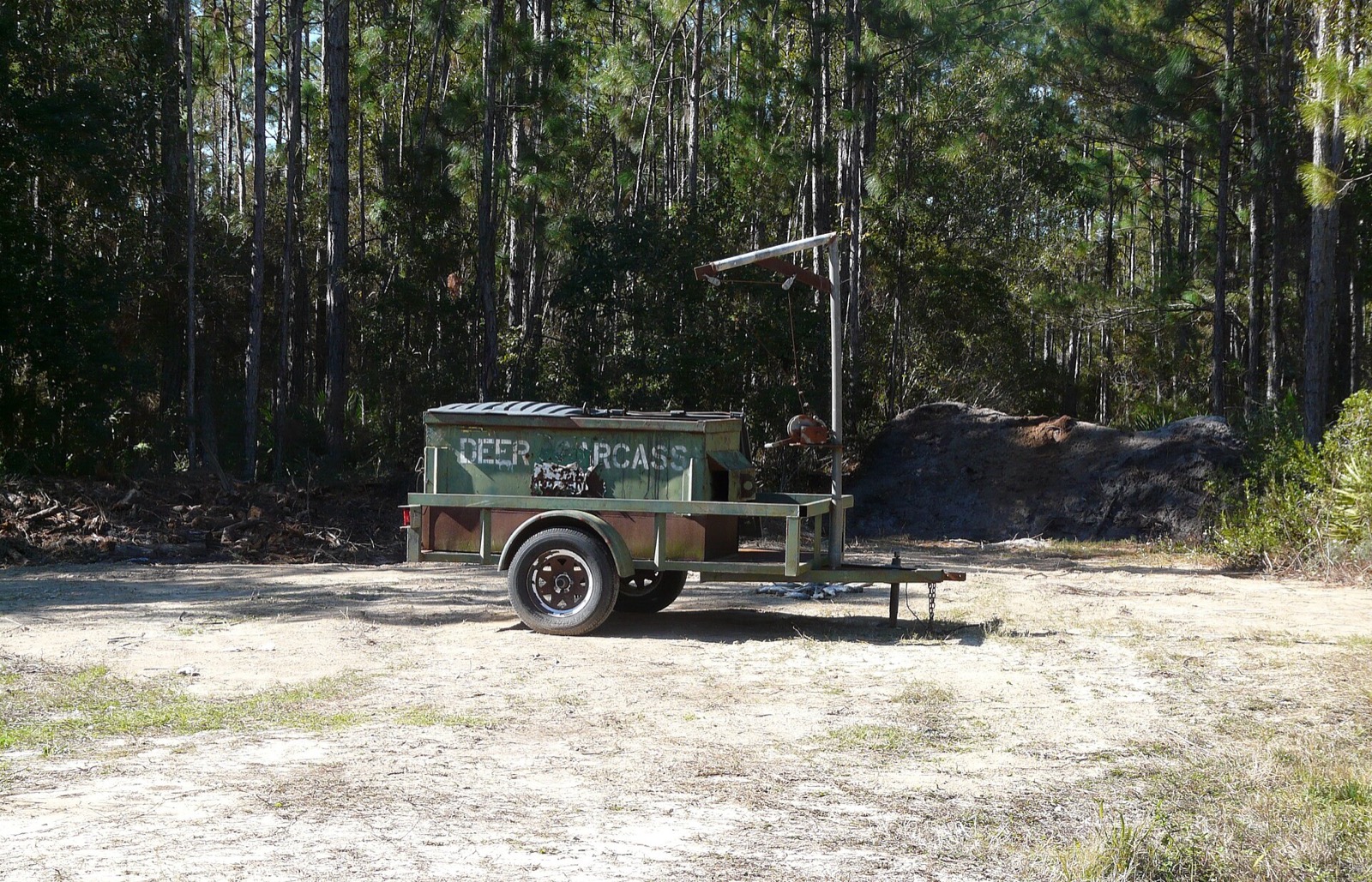
- MassWildlife says to put carcass parts in a landfill or leave them near where the deer was killed, and to follow state and local carcass disposal guidelines.
At this time, there is no evidence suggesting CWD is present in Massachusetts.Chronic Wasting Disease (CWD), Massachusetts Division of Fisheries and Wildlife, read September 23, 2026. Read it at the source
Massachusetts draws no management or surveillance zone, which means its rules apply the same way in every county. Several states added a first zone within a season of a first detection, so a zone boundary is the part of a state's rules most likely to change.
Massachusetts CWD questions
CWD rules in other states
Massachusetts read September 23, 2026 from Chronic Wasting Disease (CWD), Massachusetts Division of Fisheries and Wildlife, linked above. Carcass rules, zone boundaries and sampling requirements change between one season’s regulations and the next, and a state can add a rule mid season after a new detection, so the MassWildlife document linked above is the one that governs. Every state is on the CWD testing hub.