
North Carolina CWD Testing and Deer Carcass Rules
Testing is voluntary everywhere in North Carolina this season, including in the surveillance areas, but no whole deer carcass may be carried into the state from anywhere else.
Is CWD testing required in North Carolina
North Carolina has found the disease in wild deer, and North Carolina Wildlife Resources Commission sets no requirement to submit a sample. A test is offered on any deer a hunter brings in.
- How to submit
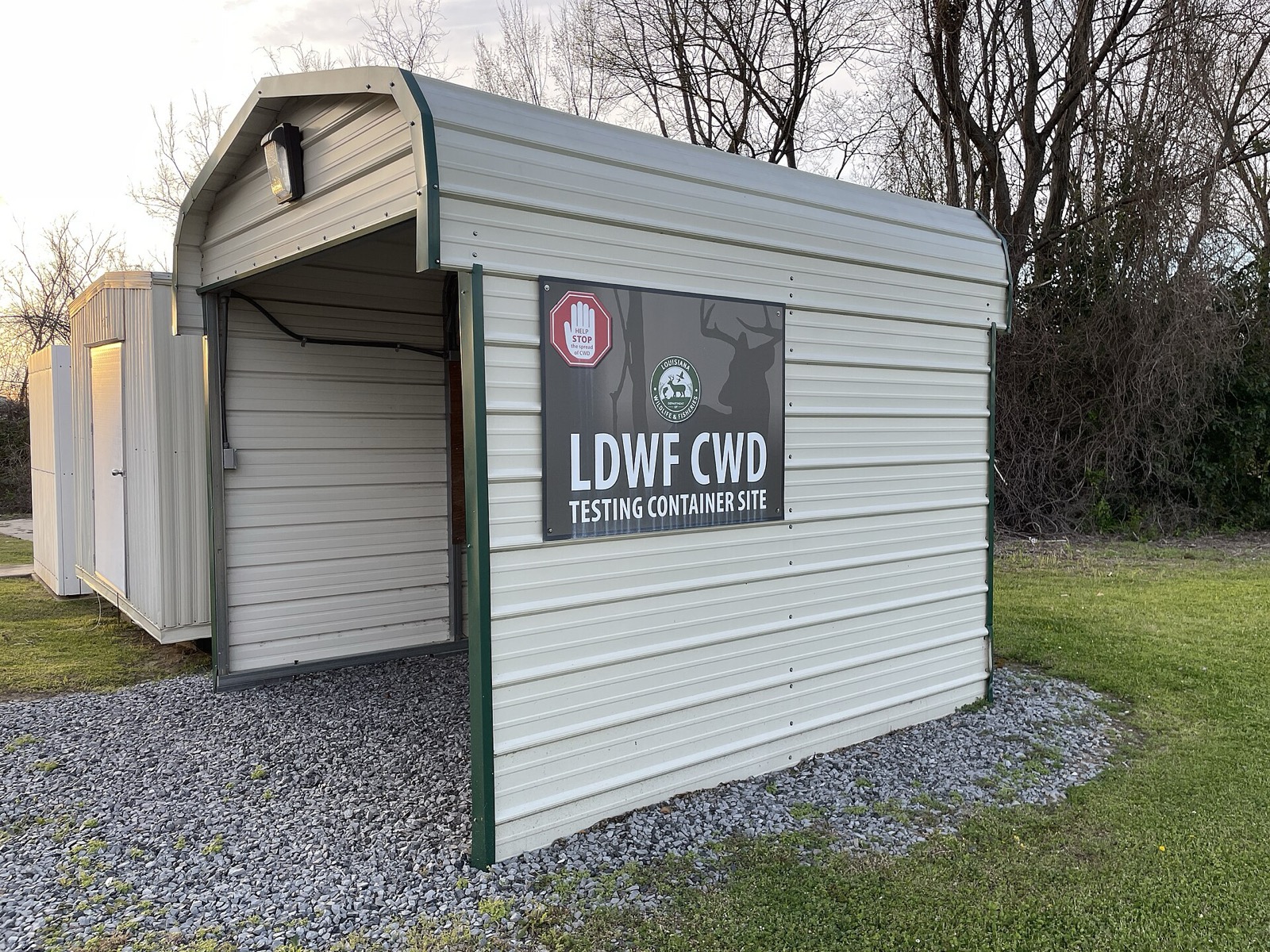
- North Carolina Wildlife Resources Commission names testing drop-off stations, NCWRC staffed check stations and Cervid Health Cooperators.
- How long results take
- the agency expects four to six weeks for a deer taken in a surveillance area and seven to nine weeks elsewhere
- The zone it draws
- CWD Surveillance Area and CWD Management Area
During the 2026-27 deer hunting season there is no required mandatory sampling in the surveillance areas.Get My Deer Tested, North Carolina Wildlife Resources Commission, read September 23, 2026. Read it at the source
What may be carried across the North Carolina line
This is the rule a hunter is most likely to miss, because it is written by the state being entered rather than the state the animal was taken in. Reading the regulations of the state hunted in cover to cover does not surface it. Nationally, 42 of the 50 states restrict what crosses and 27 refuse an intact carcass from anywhere at all.
An intact carcass may not be carried into North Carolina from any other state. The parts NCWRC does admit are listed below.
No whole cervid carcass may be brought into North Carolina from anywhere else, and the parts that may be brought in must be labeled with the importer's name and address, the place of origin, the date of the kill and the hunter's licence number from that place.
What NCWRC admits, in its own categories:
- meat that has been boned out such that no pieces or fragments of bone remain
- caped hides with no part of the skull or spinal column attached
- antlers, antlers attached to cleaned skull plates, or cleaned skulls free from meat or brain tissue
- cleaned lower jawbone(s) with teeth or cleaned teeth
- finished taxidermy products and tanned hides
Importation of whole carcasses from any member of the family Cervidae (e.g., deer, elk, moose, or reindeer/caribou) from any state, Canadian province, or foreign country outside of North Carolina is prohibited.Statewide CWD Regulations, North Carolina Wildlife Resources Commission, read September 23, 2026. Read it at the source
The North Carolina agency’s own words on the meat
North Carolina Wildlife Resources Commission publishes this:
The CDC recommends hunters strongly consider having deer that are harvested within CWD Surveillance Areas tested prior to consuming the meat.Get My Deer Tested, North Carolina Wildlife Resources Commission, read September 23, 2026. Read it at the source
That sentence is reproduced whole and unedited because it is the agency’s statement rather than a summary of one, and 30 of the 50 states here publish one of their own. The wording differs between states.
CWD in North Carolina: status, zones and baiting
North Carolina Wildlife Resources Commission has confirmed the disease in North Carolina's wild deer. The first confirmed case dates to 2022. The agency says it has found positive deer in seven counties.
- First confirmed case
- 2022
- Baiting and feeding
- Banned inside the zones
- Moving an animal out of a zone
- The agency prints no rule holding a carcass inside these areas: what the areas add is a ban on fawn rehabilitation, a feeding and baiting ban from January 2 to August 31, and a ban on cervid scents and attractants, while the carcass disposal rule is statewide.
- Carcass waste
- Non-edible parts of a North Carolina deer must go to a lined landfill, be buried three feet down and three hundred feet from water, or be left lawfully on the ground in the county where the deer was killed.
North Carolina first detected CWD in March 2022, and currently has detected CWD positive deer in 7 counties.Statewide CWD Regulations, North Carolina Wildlife Resources Commission, read September 23, 2026. Read it at the source
Zone boundaries are redrawn between seasons more often than any other rule here, usually after a new detection near an existing line. The map linked above is NCWRC's own and is the one that governs.
North Carolina CWD questions
CWD rules in other states
North Carolina read September 23, 2026 from Statewide CWD Regulations, North Carolina Wildlife Resources Commission, linked above. Carcass rules, zone boundaries and sampling requirements change between one season’s regulations and the next, and a state can add a rule mid season after a new detection, so the NCWRC document linked above is the one that governs. Every state is on the CWD testing hub.