
California CWD Testing and Deer Carcass Rules
If you take a deer in hunt zone D7, X9a, X9b or X9c you must turn in a lymph node or the head for testing, sampling is voluntary everywhere else, and nothing with a spine, brain or head attached may be brought into California from another state.
Is CWD testing required in California
California Department of Fish and Wildlife requires a sample from deer taken in the areas it names, and a test is available on a deer taken anywhere else in California.
- Where the requirement bites
- Anyone who takes a deer in hunt zones D7, X9a, X9b or X9c must hand in a retropharyngeal lymph node or the head, and the regulation gives ten days from the kill.
- How to submit
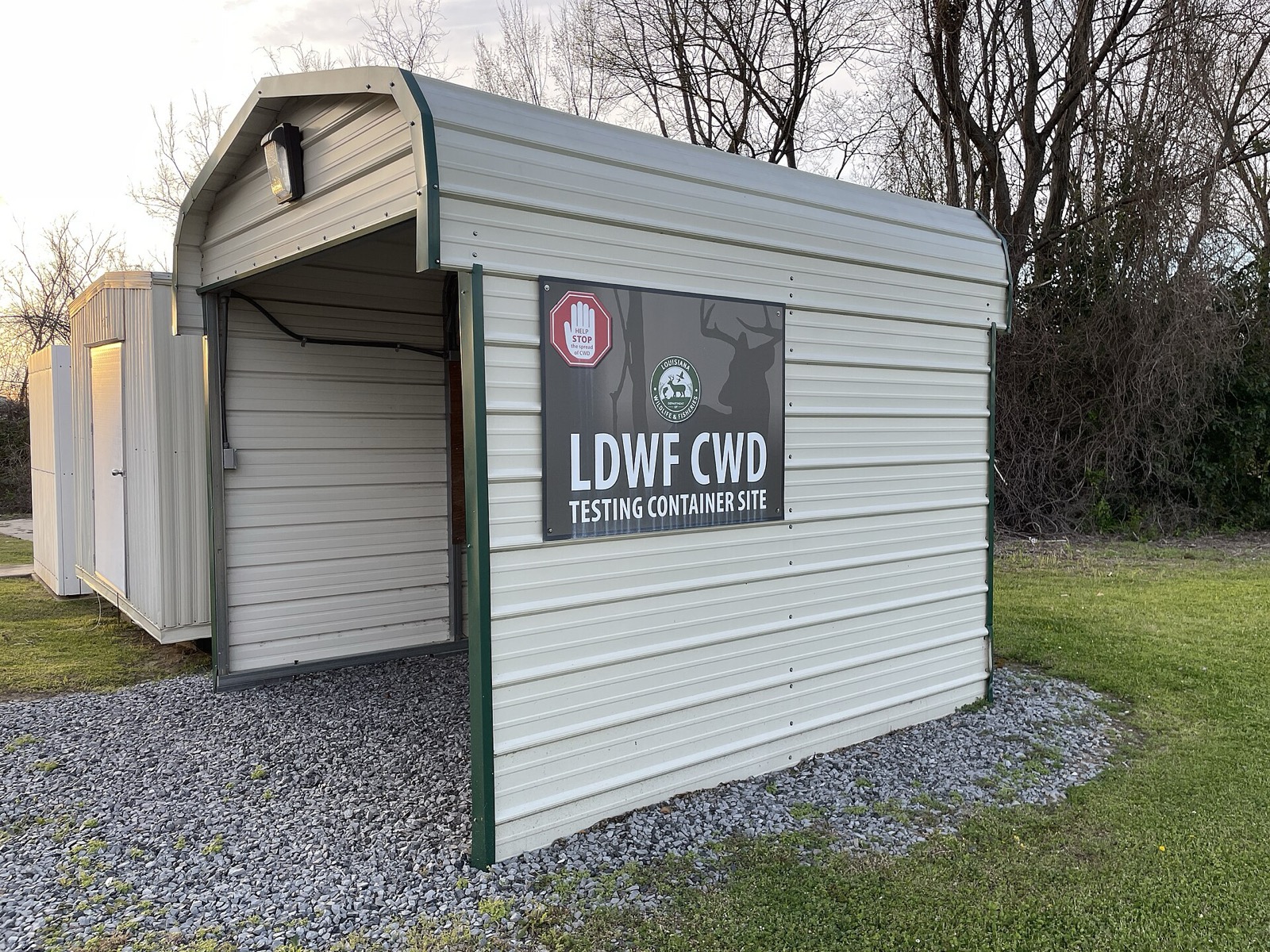
- California Department of Fish and Wildlife names CWD sampling station, CDFW office, participating meat processor, participating taxidermist and self sample and bring in the lymph nodes.
- How long results take
- The agency says a test often takes three weeks or more.
- The zone it draws
- CWD Management Zone (CMZ)
All hunters who harvest a deer within zones D7, X9a, X9b, and X9c must provide a retropharyngeal lymph node or the head from their harvest for CWD testing.CDFW Sampling Station or Office, California Department of Fish and Wildlife, read September 23, 2026. Read it at the source
What may be carried across the California line
This is the rule a hunter is most likely to miss, because it is written by the state being entered rather than the state the animal was taken in. Reading the regulations of the state hunted in cover to cover does not surface it. Nationally, 42 of the 50 states restrict what crosses and 27 refuse an intact carcass from anywhere at all.
An intact carcass may not be carried into California from any other state. The parts CDFW does admit are listed below.
No hunter harvested deer, elk or other cervid carcass from outside California may be brought in or held except as meat with no spine, brain or head, hides and capes, clean skull plates, antlers, finished taxidermy or upper canine teeth, and anyone importing a carcass or part must file Form 901 within twenty four hours of entering the state.
What CDFW admits, in its own categories:
- Portions of meat with no part of the spinal column, brain or head attached (other bones, such as legs and shoulders, may be attached)
- Hides and capes (no spinal column, brain tissue or head may be attached)
- Clean skull plates (no brain tissue may be present) with antlers attached, if present
- Antlers with no meat or tissue attached, except legally harvested and possessed antlers in the velvet stage are allowed, if no meat, brain or other tissue is attached
- Finished taxidermy mounts with no meat or tissue attached
- Upper canine teeth (buglers, whistlers, ivories)
It is unlawful to import, or possess any hunter harvested deer or elk (cervid) carcass or parts of any cervid carcass imported into the State, except for the following body parts:Chronic Wasting Disease Surveillance, California Department of Fish and Wildlife, read September 23, 2026. Read it at the source
CCR Title 14, Section 712
The California agency’s own words on the meat
California Department of Fish and Wildlife publishes this:
The Centers for Disease Control and Prevention (CDC) and the World Health Organization (WHO) recommend that hunters do not eat meat from deer that test positive for CWD or otherwise appear sick.CDFW Sampling Station or Office, California Department of Fish and Wildlife, read September 23, 2026. Read it at the source
That sentence is reproduced whole and unedited because it is the agency’s statement rather than a summary of one, and 30 of the 50 states here publish one of their own. The wording differs between states.
CWD in California: status, zones and baiting
California Department of Fish and Wildlife has confirmed the disease in California's wild deer. The first confirmed case dates to 2024. The agency names Inyo and Madera counties as where CWD has been found..
- First confirmed case
- 2024
- Baiting and feeding
- Baiting and feeding banned statewide
- Moving an animal out of a zone
- The regulation makes two kinds of zone: in a testing CMZ a hunter must give the agency a sample within ten days of the kill, and in a testing and handling CMZ the hunter must do that and also leave the brain, the spinal column and the entrails where the animal fell.
- Carcass waste
- The agency asks hunters to leave the brain and spinal cord at the kill site, and to have the brain incinerated or taken to a landfill that accepts animal waste if the head is carried out for sampling or taxidermy.
CWD has been detected in Inyo and Madera Counties.Chronic Wasting Disease Surveillance, California Department of Fish and Wildlife, read September 23, 2026. Read it at the source
Zone boundaries are redrawn between seasons more often than any other rule here, usually after a new detection near an existing line. The map linked above is CDFW's own and is the one that governs.
California CWD questions
CWD rules in other states
California read September 23, 2026 from Chronic Wasting Disease Surveillance, California Department of Fish and Wildlife, linked above. Carcass rules, zone boundaries and sampling requirements change between one season’s regulations and the next, and a state can add a rule mid season after a new detection, so the CDFW document linked above is the one that governs. Every state is on the CWD testing hub.