
Rhode Island CWD Testing and Deer Carcass Rules
Rhode Island has never found CWD but requires every deer taken statewide on the first two days of the muzzleloader season and the first two days of the shotgun season to be brought to a state operated biological checking station, where the Division takes the samples it tests, any other hunter can ask the Division to test a deer, and a whole carcass or any high risk part from outside the state may not be brought in at all except a legally harvested wild white-tailed deer from Connecticut or Massachusetts.
Is CWD testing required in Rhode Island
Rhode Island Department of Environmental Management, Division of Fish and Wildlife requires a sample from deer taken in the areas it names, and a test is available on a deer taken anywhere else in Rhode Island.
- Where the requirement bites
- Every deer taken anywhere in the state by any method on the first two days of the muzzleloader season and the first two days of the shotgun season has to be brought to a state operated biological checking station, and it is at those stations that the Division takes the lymph node samples it tests for CWD, with deer from Patience, Prudence and Block Islands excepted.
- How to submit
- Rhode Island Department of Environmental Management, Division of Fish and Wildlife names check station and agency office.
During the first (1st) two (2) days of the muzzleloader deer season and the first (1st) two (2) days of shotgun deer season, all deer harvested statewide, by any method, must be brought to a State Operated Biological Checking Station to be physically weighed, measured and inspected with the exception of deer harvested on Patience Island, Prudence Island, and Block Island.Chronic Wasting Disease factsheet, Rhode Island Department of Environmental Management, read September 23, 2026. Read it at the source
What may be carried across the Rhode Island line
This is the rule a hunter is most likely to miss, because it is written by the state being entered rather than the state the animal was taken in. Reading the regulations of the state hunted in cover to cover does not surface it. Nationally, 42 of the 50 states restrict what crosses and 27 refuse an intact carcass from anywhere at all.
An intact carcass may not be carried into Rhode Island from any other state, apart from Connecticut and Massachusetts. The parts RIDEM does admit are listed below.
A whole cervid carcass or its brain, eyes, spinal cord, lymph nodes, tonsils or spleen may not be brought into Rhode Island from anywhere outside the state, only the listed parts may be imported and each has to be labelled, and the one hunting exception is a legally harvested wild white-tailed deer from Connecticut or Massachusetts, which lasts only until CWD is found in either state.
What RIDEM admits, in its own categories:
- meat that has been boned, cut up, packaged and wrapped and not commingled with the meat of any other animal
- the hide or cape
- the skull or skull cap, cleaned of all blood, brain matter, muscle or any other tissue
- the antlers
- finished taxidermy
- tanned hides
- the upper canine
No person shall import, transport, or possess in Rhode Island a cervid whole carcass, brain, eyes, spinal cord, lymph nodes, tonsils, spleen, or such carcass parts from wild, captive or captive-bred cervid obtained from outside Rhode Island, except that:Rules and Regulations Governing the Importation, Feeding, and Baiting of Cervids in Rhode Island (250-RICR-60-00-2), Rhode Island Department of Environmental Management, read September 23, 2026. Read it at the source
250-RICR-60-00-2 section 2.13
CWD in Rhode Island: status, zones and baiting
Rhode Island Department of Environmental Management, Division of Fish and Wildlife reports no detection of the disease in Rhode Island's wild deer herd.
- Baiting and feeding
- Baiting and feeding banned statewide
- Carcass waste
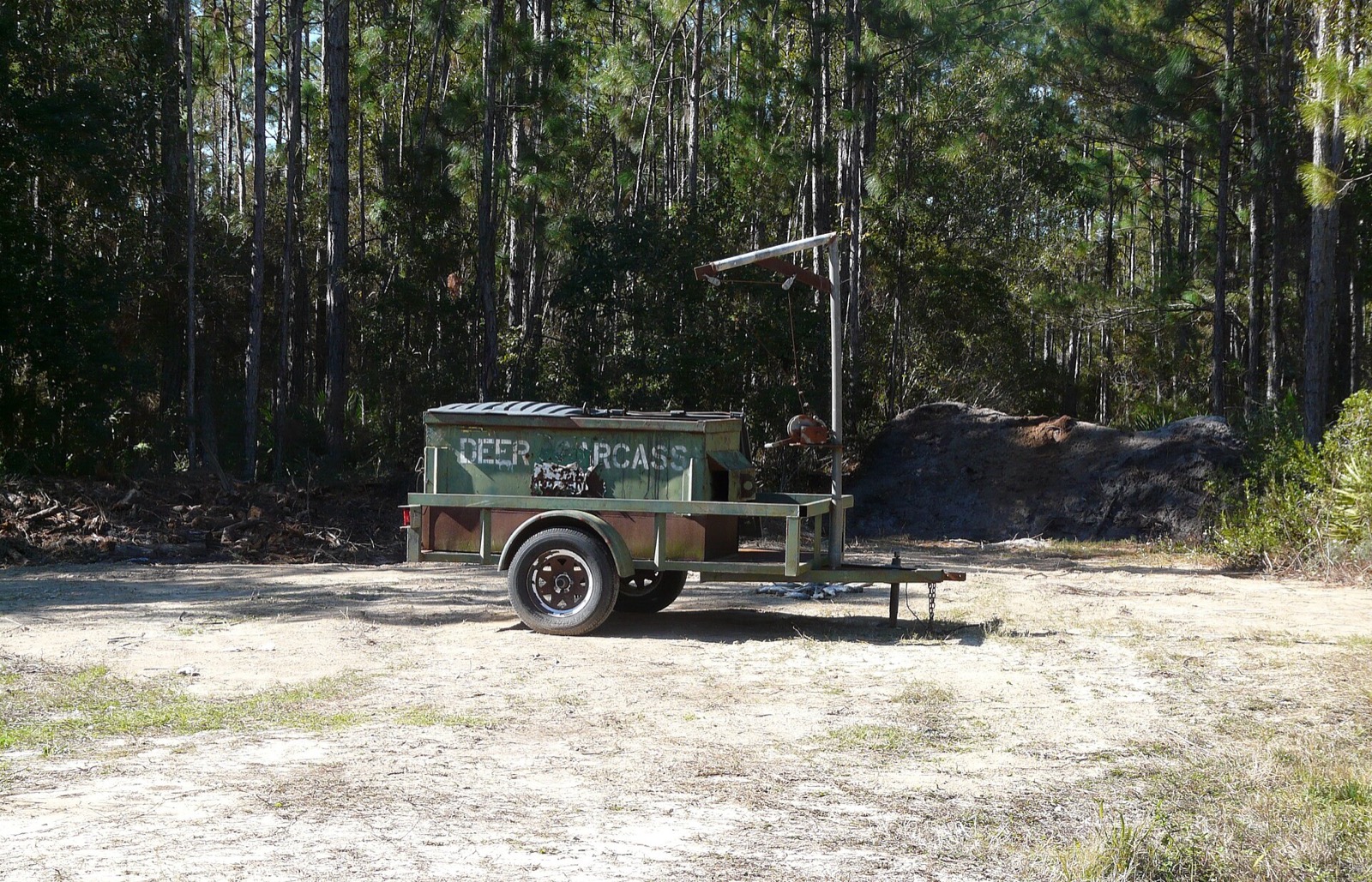
- The Division tells hunters to double bag bones, hides and waste and take them to a landfill with an approved dead animal pit, or bury them.
This disease has not been documented in Rhode Island; however, surveillance for the disease is ongoing and essential to the health of our deer herd.Chronic Wasting Disease factsheet, Rhode Island Department of Environmental Management, read September 23, 2026. Read it at the source
Rhode Island draws no management or surveillance zone, which means its rules apply the same way in every county. Several states added a first zone within a season of a first detection, so a zone boundary is the part of a state's rules most likely to change.
Rhode Island CWD questions
CWD rules in other states
Rhode Island read September 23, 2026 from Chronic Wasting Disease factsheet, Rhode Island Department of Environmental Management, linked above. Carcass rules, zone boundaries and sampling requirements change between one season’s regulations and the next, and a state can add a rule mid season after a new detection, so the RIDEM document linked above is the one that governs. Every state is on the CWD testing hub.