
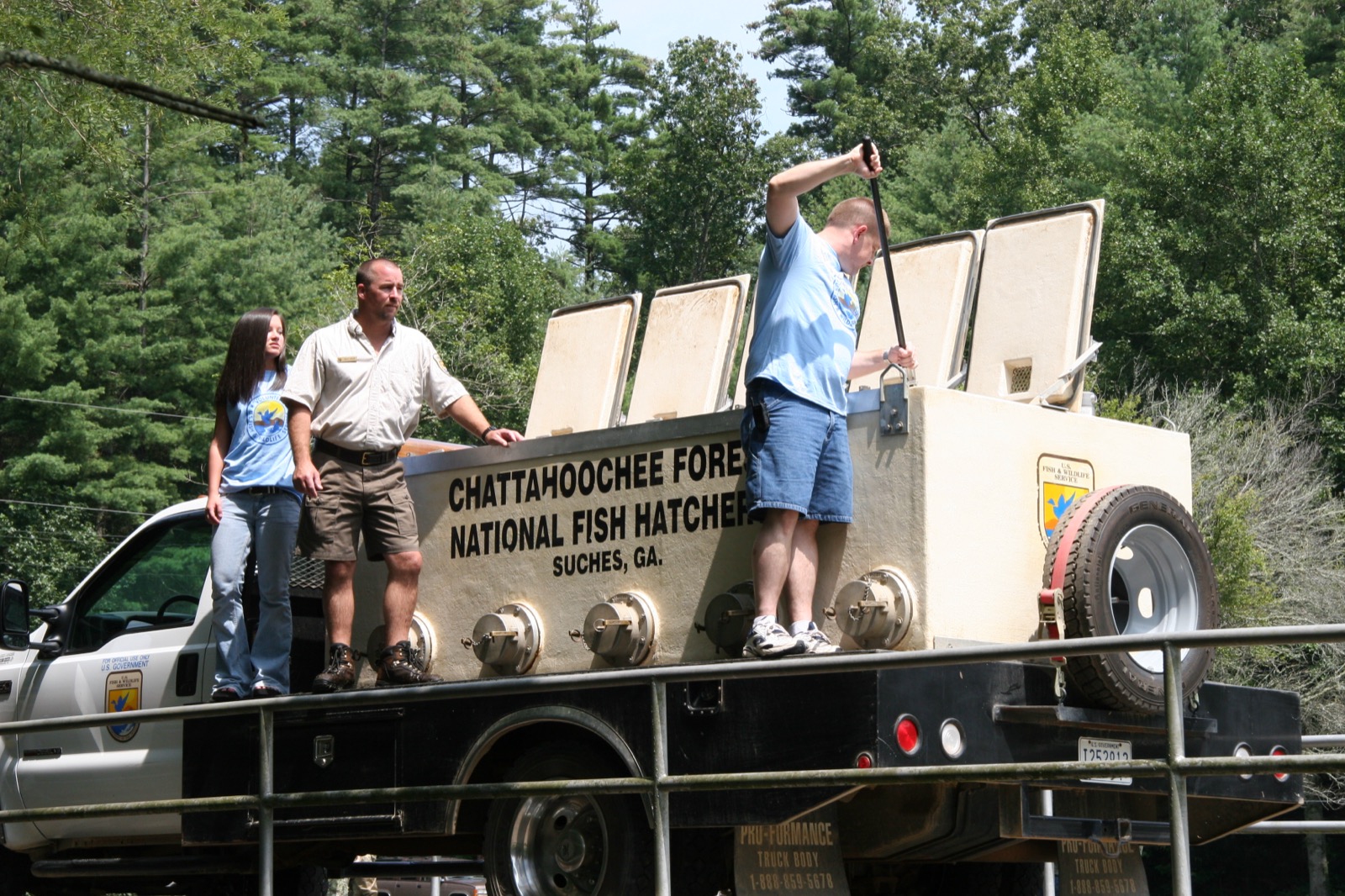
Trout Stocking in South Carolina
Stockable trout of 9 to 12 inches, plus more than 10,000 fish a year into small upstate mountain lakes. SCDNR publishes its stocked waters as names rather than coordinates, so the agency’s own stocking report is where to look them up. Every figure here was read from the agency's own page on September 3, 2026.
SCDNR publishes the South Carolina trout season itself, water by water or inside its own regulationsWhat has been stocked near you in South Carolina?
Registry built September 3, 2026Where South Carolina publishes its stocking record
South Carolina Department of Natural Resources publishes a summary of what was stocked where, for the mountain trout waters of the upstate. It comes out as a running summary rather than a forward schedule, which is the cadence to plan around: anything faster than that is not being published, and anything on this page is older than that by definition.
How SCDNR sets the South Carolina trout season
Most states do not publish a single dated statewide trout opener. Here is exactly what SCDNR does publish.
No bar is drawn here because SCDNR has published no dates for this site to draw. Drawing one anyway would be a guess with a calendar around it.
The agency sets its seasons water by water or inside its own regulations, and publishes them there.
South Carolina publishes its trout water classifications and their seasons in its own regulations rather than as a single dated opener.
Read from Trout Stocking Summary, South Carolina Department of Natural Resources on September 3, 2026.
Where to find South Carolina stocked waters
SCDNR publishes which waters it stocks. What it does not publish is those waters as coordinates, and a stocking list that reads “Spring Creek, Centre County” is perfectly good for a person with a map and completely useless for a distance ranking. Only 7 agencies publish geodata: Connecticut, Massachusetts, Montana, New Hampshire, New Jersey, Tennessee, Utah.
This site could geocode South Carolina water names into coordinates and put pins on a map. It does not, because that process quietly invents precision: two creeks share a name, a river reach becomes a point, and the reader gets a map that looks authoritative and is wrong in ways nobody can see. The agency's own list is better than anything that could be rebuilt from it here.
Stockable trout of 9 to 12 inches, plus more than 10,000 fish a year into small upstate mountain lakes. The window SCDNR describes is: most fish in spring and autumn, fewer in summer and winter.
Summarised from SCDNR trout stocking summary in our own words.
The South Carolina trout programme
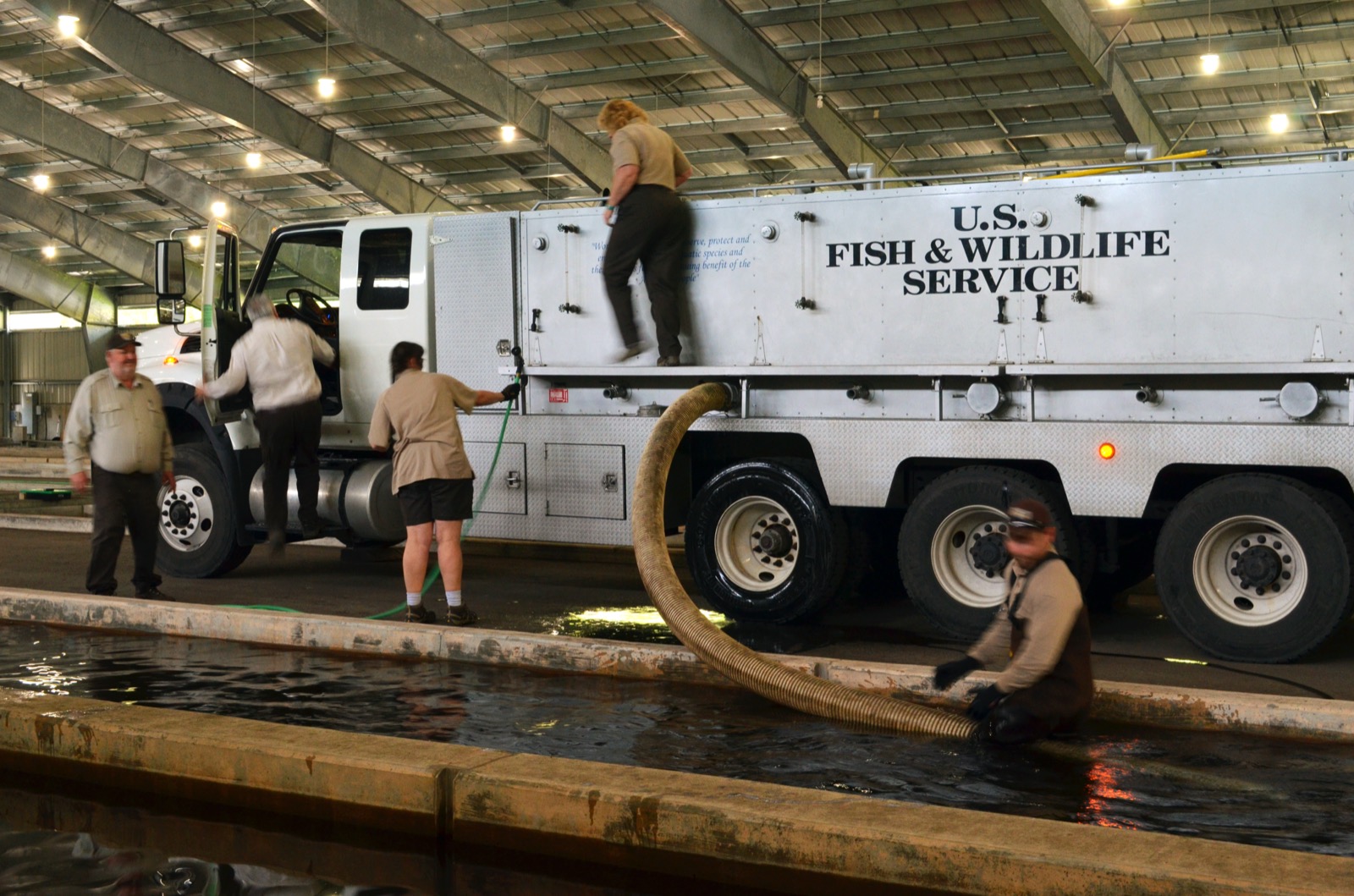
South Carolina's trout live in three upstate counties, Oconee, Pickens and Greenville, and the department times its stocking to when the streams are cool enough to take it, which means most fish go in during spring and autumn. Some of it is done by helicopter, into stretches of the Chattooga and Chauga that no truck can reach. The small mountain lakes at Oconee State Park, Table Rock State Park, Bursons Lake and Pleasant Ridge County Park get more than ten thousand fish between them.
What goes in, and when. Stockable trout of 9 to 12 inches, plus more than 10,000 fish a year into small upstate mountain lakes. Most fish in spring and autumn, fewer in summer and winter.
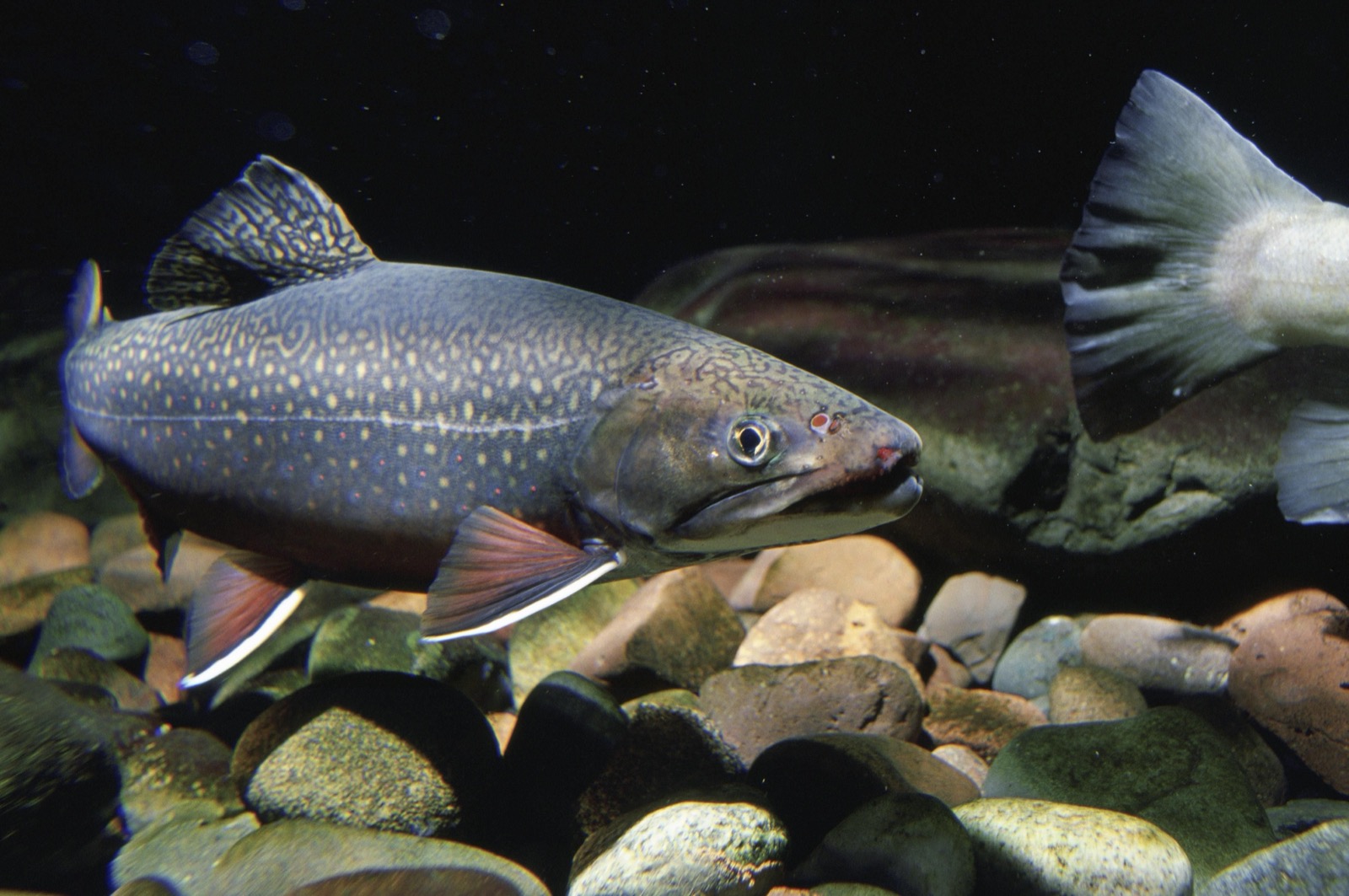
How this record was checked. Trout stocking summary page fetched and confirmed on 2026-09-03, title "SCDNR - Trout Stocking Summary". The three counties, the spring and autumn concentration, the helicopter stockings and the named lakes are SCDNR's own.
The rest of the Southeast
| State | Agency | Report form | Season opener |
|---|---|---|---|
| Alabama | Alabama WFF | a page the agency updates | No season opener |
| Arkansas | AGFC | season announcements | No season opener |
| Delaware | DNREC | a page the agency updates | A recurring rule, not a date |
| Georgia | Georgia DNR | a published document | No season opener |
| Kentucky | Kentucky Fish and Wildlife | a dated table | No season opener |
| Maryland | Maryland DNR | a dated table | A recurring rule, not a date |
South Carolina trout stocking questions
Water near you, other subjects
5,227 stocked waters across 7 states are in this site's registry, built September 3, 2026. Agency records were read September 3, 2026.